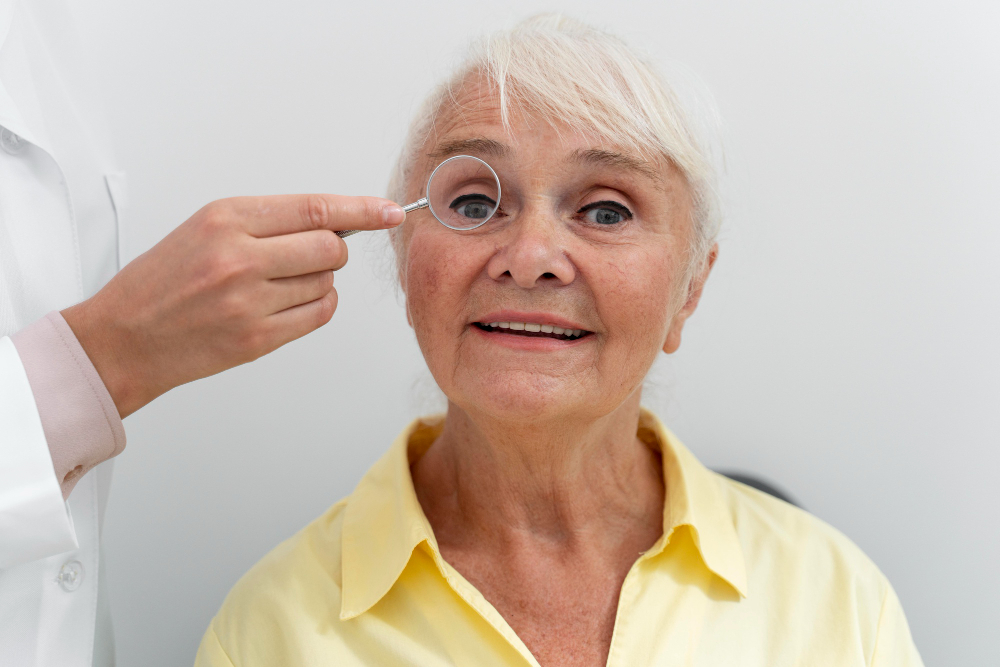
What is Age-related Macular Degeneration (AMD)?
Age-related Macular Degeneration (AMD) is a common eye condition. It mainly affects people over 50. AMD damages the macula, which is the part of the eye that helps you see fine details. Because of this, AMD can cause blurry or lost vision in the center of your sight. However, it does not usually lead to complete blindness. Early detection is important, so you can get the right care. According to the CDC, AMD is a leading cause of vision loss in older adults.
Symptoms of AMD
AMD symptoms often start slowly. Sometimes, you may not notice changes at first. But as the disease gets worse, you might see:
If you notice any of these AMD symptoms, you should see an eye doctor soon. Quick action can help protect your vision.
Causes and Risk Factors
AMD happens when the macula gets damaged over time. While age is the main cause, other factors can raise your risk. For example, your family history and lifestyle choices matter. Here are some common risk factors:
Because some risks can be changed, healthy habits may help lower your chances of getting AMD.
How AMD is Diagnosed
Early diagnosis of Age-related Macular Degeneration is key. Eye doctors use several tests to check for AMD. For instance, they may use:
Because AMD can develop slowly, regular eye exams are important, especially if you are over 50.
Treatment Options for AMD
While there is no cure for AMD, treatments can slow its progress. The right macular degeneration treatment depends on the type and stage of AMD. For dry AMD, your doctor may suggest:
For wet AMD, treatments may include:
Because early treatment can help prevent vision loss from AMD, talk to your eye doctor about the best options for you.
Lifestyle Tips and Prevention
Although you cannot change your age, you can take steps to lower your risk of AMD. Here are some tips for preventing vision loss from AMD:
By making these changes, you can help keep your eyes healthy for longer.
When to See an Eye Specialist
If you notice changes in your vision, do not wait. For example, if straight lines look wavy or you see dark spots, see an eye specialist right away. Early care can make a big difference. Even if you have no symptoms, regular eye exams are important after age 50. Your eye doctor can check for signs of AMD and suggest ways to protect your sight.
To sum up, Age-related Macular Degeneration is a serious eye condition, but early action helps. Consult an eye specialist for personalized advice on AMD and to keep your vision safe.
