When it comes to eye health, knowing the difference between retinal detachment vs. retinal hole is important. Both are retina problems, but they are not the same. A retinal detachment is when the retina pulls away from the back of the eye. A retinal hole is a small break or tear in the retina. Understanding these conditions helps you act quickly and protect your vision.
What Is a Retinal Detachment?
A retinal detachment happens when the thin layer of tissue at the back of your eye (the retina) separates from its normal position. Because the retina is vital for vision, this is a serious problem. If not treated right away, it can lead to permanent vision loss. According to the World Health Organization, early treatment can save your sight.
What Is a Retinal Hole?
A retinal hole is a small break or opening in the retina. While it may sound minor, it can let fluid pass under the retina. Sometimes, this leads to a retinal detachment. However, not all retinal holes cause major problems. With regular eye checks, doctors can spot and treat them early.
Key Differences Between Retinal Detachment and Retinal Hole
Symptoms to Watch For
Knowing the signs of retina problems can save your vision. Watch for these symptoms:
However, some people with a retinal hole may not notice any symptoms at first. That is why regular eye exams are important.
Causes and Risk Factors
Several things can increase your risk for retinal detachment or a retinal hole. For example, aging is a common cause, as the retina can thin over time. Other risk factors include:
According to the CDC, people over 50 are at higher risk. But anyone can develop these issues.
Diagnosis: How Are These Conditions Identified?
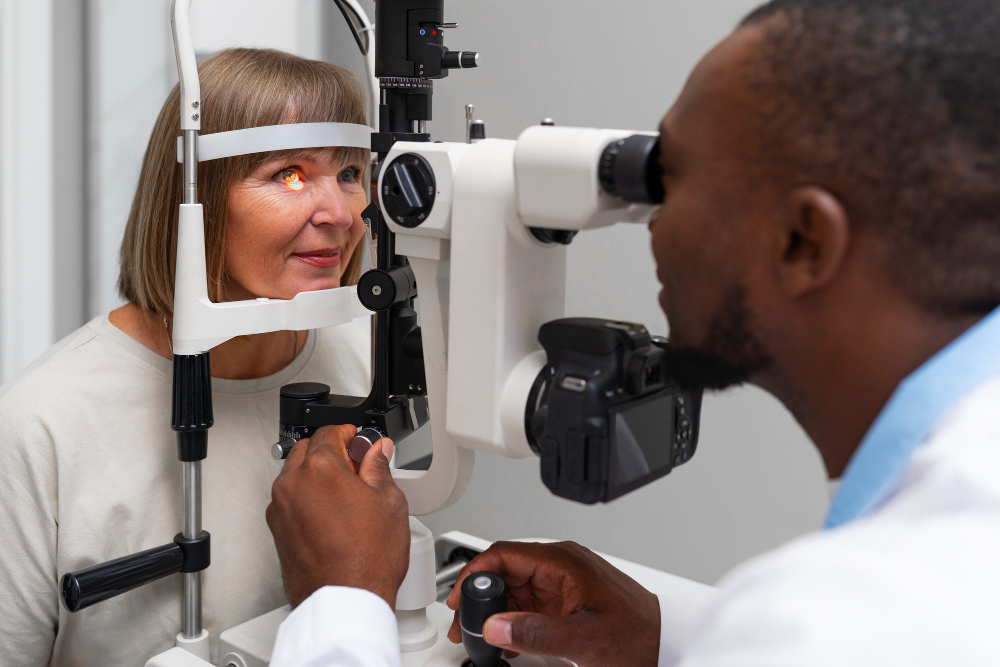
Eye doctors use special tools to check your retina. During an eye exam, they may use drops to widen your pupils. Then, they look at the back of your eye with a bright light. Sometimes, they use imaging tests to get a closer look. Early diagnosis is key to preventing vision loss.
Treatment Options Available Today
Treatment depends on the problem and how severe it is. For a retinal hole, doctors may use a laser to seal the hole and stop it from getting worse. If you have a retinal detachment, surgery is often needed. There are several types of surgery, including:
With quick treatment, many people regain some or all of their vision.
What You Can Do Now: Prevention and Immediate Steps
Although you cannot always prevent retina problems, you can lower your risk. Here are some eye health tips:
Early action can make a big difference in treatment success.
When to See an Eye Specialist
If you notice sudden changes in your vision, do not wait. For example, flashes of light, new floaters, or a shadow over your vision need urgent care. Even if you have no symptoms, regular eye checks are important. An eye specialist can spot problems early and suggest the best treatment for you.
If you notice any sudden changes in your vision, consult an eye specialist immediately for personalized guidance.
