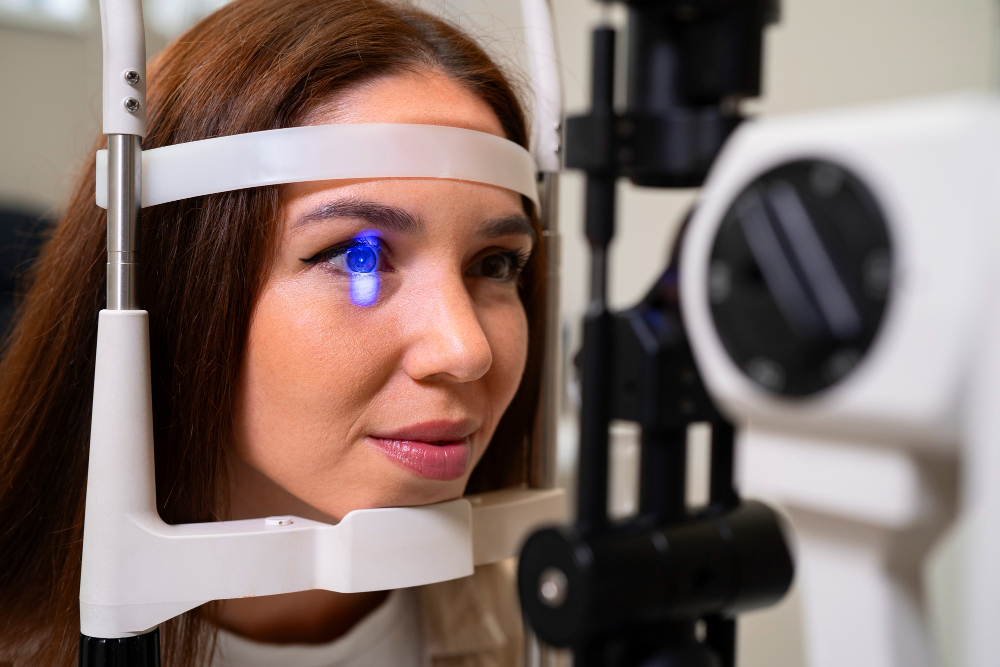
What is LASIK Eye Surgery?
LASIK eye surgery is a popular procedure to correct vision problems. Many people choose LASIK to reduce their need for glasses or contact lenses. In this surgery, a doctor uses a laser to reshape the cornea, which is the clear front part of your eye. As a result, light focuses better on the retina, helping you see more clearly. According to the World Health Organization, LASIK is safe when done by trained specialists.
Common Reasons for LASIK
People consider LASIK eye surgery for several reasons. Often, they want to fix common vision issues. These include:
Additionally, some people want more freedom from glasses or contacts. Others may choose LASIK for work or sports reasons.
Benefits of LASIK Eye Surgery
There are many benefits to LASIK eye surgery. For example, most people notice better vision within a day. Here are some key advantages:
Moreover, LASIK has a high success rate. Studies in peer-reviewed journals show that over 95% of patients are happy with their results.
Risks and Potential Side Effects
Like any surgery, LASIK has some risks. While most people do well, a few may have side effects. These can include:
However, most side effects are mild and go away with time. The Centers for Disease Control and Prevention notes that serious problems are rare. Still, it is important to talk to your doctor about LASIK risks and benefits before deciding.
How to Prepare for LASIK
Proper preparation helps ensure a smooth LASIK procedure. Here are some steps to follow:
Additionally, your doctor will check your eyes to make sure you are a good candidate.
What to Expect During the Procedure
LASIK eye surgery is quick and simple. Usually, it takes about 30 minutes for both eyes. Here are the basic LASIK procedure steps:
During the procedure, you may feel slight pressure but no pain. Afterward, you can usually go home the same day.
Recovery and Aftercare Tips
Recovery after LASIK is usually fast. Even so, you should follow your doctor’s advice for the best results. Here are some helpful LASIK recovery tips:
Most people return to normal activities within a few days. However, full healing may take a few weeks.
Who is a Good Candidate for LASIK?
Not everyone is a good candidate for LASIK eye surgery. Generally, you may be a good fit if you:
Still, only an eye specialist can decide if LASIK is right for you. They will check your eyes and discuss your health history.
Frequently Asked Questions
In summary, LASIK eye surgery offers many benefits but also has some risks. Always talk to a qualified eye specialist before making a decision. Consult an eye specialist to find out if LASIK eye surgery is right for you.
