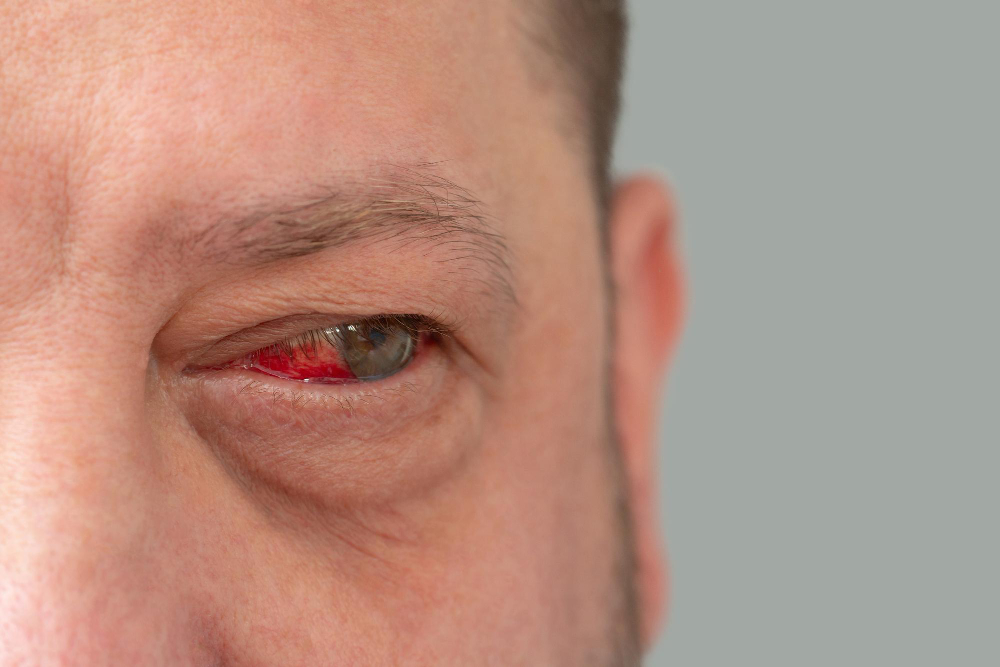
What Is a Corneal Ulcer?
A corneal ulcer is an open sore on the clear front part of your eye, called the cornea. This part helps you see clearly. When the cornea gets damaged or infected, a sore can form. Because the cornea is so important for vision, early care is vital. Corneal ulcers can lead to pain, vision loss, or even blindness if not treated quickly. Therefore, knowing how to identify and treat corneal ulcers early can help protect your sight.
Early Signs and Symptoms of Corneal Ulcers
Recognizing symptoms early can prevent serious problems. For example, you may notice:
Sometimes, you might see a white or gray spot on your cornea. If you notice any of these signs, seek help right away. Early treatment can stop the ulcer from getting worse.
Common Causes and Risk Factors
Corneal ulcers often start with an eye infection. However, there are other causes and risk factors, such as:
Additionally, people who use contact lenses are at higher risk. Always handle lenses with clean hands and follow your eye doctor’s advice.
How Corneal Ulcers Are Diagnosed
Doctors use several steps to diagnose a corneal ulcer. First, they ask about your symptoms and medical history. Next, they examine your eye with a special microscope called a slit lamp. This tool helps them see the ulcer clearly. Sometimes, doctors use a dye called fluorescein to highlight the sore. In some cases, they may take a small sample from the ulcer to find out which germ is causing the problem. Early diagnosis is key to fast recovery.
Early Treatment Options for Corneal Ulcers
Treating a corneal ulcer early can save your vision. Treatment depends on the cause. For example:
Doctors may also advise you to stop wearing contact lenses until your eye heals. In rare cases, surgery may be needed if the ulcer is severe. Always follow your doctor’s instructions and finish all medicines as prescribed.
Prevention Tips and Eye Care Guidance
Preventing corneal ulcers is possible with good eye care. Here are some helpful tips:
By following these steps, you can lower your risk of eye infections and corneal ulcers.
Conclusion
In summary, knowing how to identify and treat corneal ulcers early can help protect your vision. If you notice any symptoms of a corneal ulcer, consult an eye specialist promptly for personalized care.
