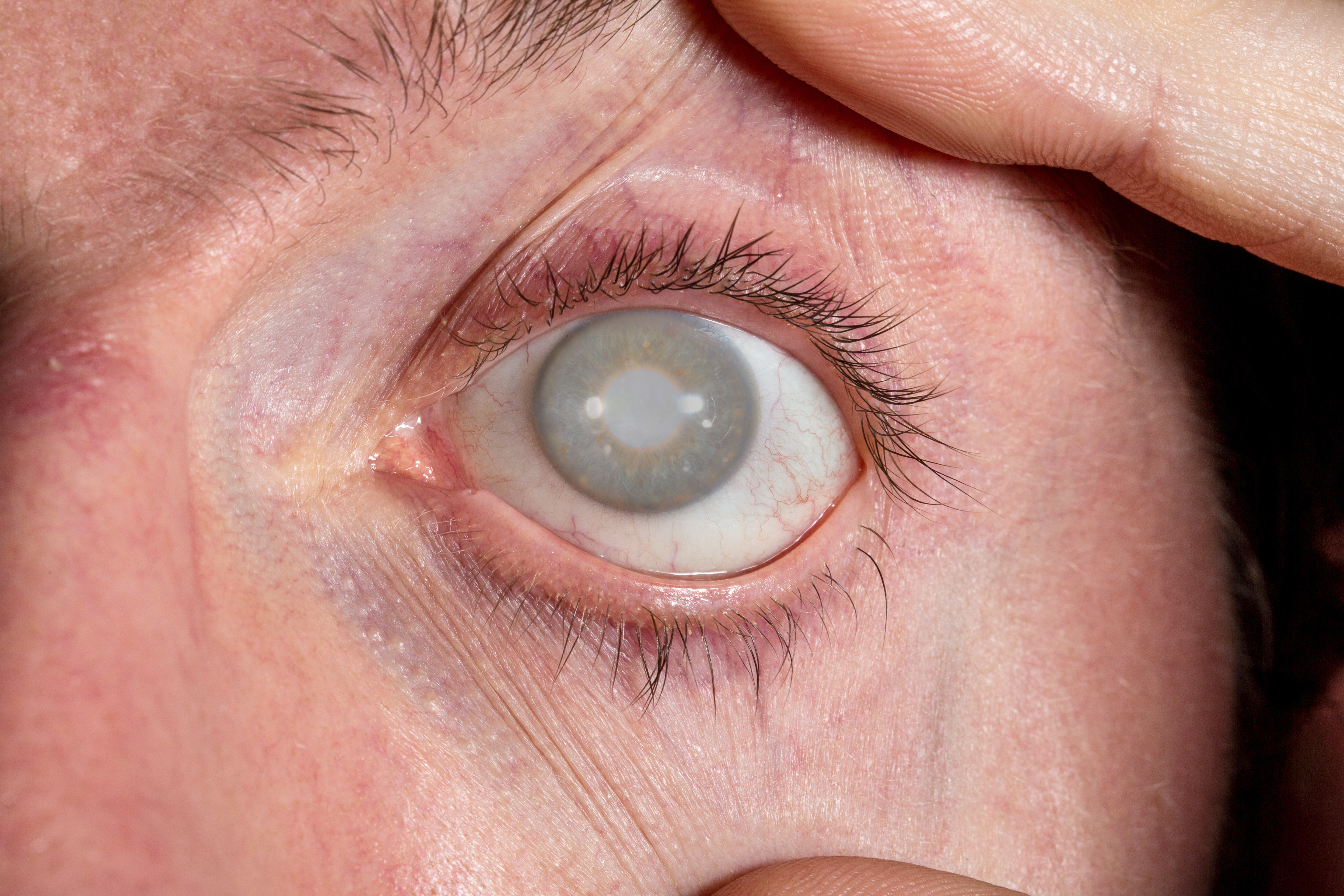
What is a Cataract?
A cataract is a cloudy area in the lens of your eye. It can make your vision blurry or dim. Because the lens helps focus light, a cataract can cause vision problems in adults. Over time, cataracts may get worse. However, treatment is available and often very effective.
Common Symptoms of Cataract
Cataract symptoms can start slowly. Sometimes, you may not notice changes right away. But as the cataract grows, you might see:
For example, you may find it hard to read or drive. If you notice these signs, it is important to talk to an eye doctor.
Main Causes and Risk Factors
Cataracts often develop as people age. But other factors can also increase your risk. For instance, you may be more likely to get cataracts if you:
According to the World Health Organization (WHO), cataracts are a leading cause of vision loss worldwide. But many risk factors can be managed with healthy choices.
How Cataracts Are Diagnosed
Early diagnosis can help protect your eye health. Usually, an eye specialist will:
Because cataracts can affect both eyes, your doctor will check each eye carefully. Regular eye exams are important, especially as you get older.
Treatment Options for Cataract
At first, you may not need treatment if your symptoms are mild. Sometimes, new glasses or brighter lighting can help. But as the cataract grows, you may need more help. The main treatment for cataract is surgery. During cataract surgery, the cloudy lens is removed and replaced with a clear artificial lens. This surgery is safe and common. Most people see better soon after the procedure. According to the CDC, cataract surgery is one of the most effective ways to restore vision.
Prevention Tips and Lifestyle Guidance
While you cannot always prevent cataracts, you can lower your risk. Try these tips:
In addition, protect your eyes from injury by wearing safety glasses when needed. Healthy habits can support your vision for years to come.
When to See an Eye Specialist
If you notice changes in your vision, do not wait. For example, if you see glare, halos, or have trouble reading, see an eye doctor soon. Early care can prevent further vision loss. Even if you have no symptoms, regular eye exams are important after age 40. Your doctor can spot cataracts and other eye problems early.
In summary, cataracts are common but treatable. With early diagnosis and the right care, you can protect your eye health. Consult an eye specialist for personalized advice on cataract diagnosis and treatment.
