Your eyes are delicate. The surface of your eye protects your vision every day. However, sometimes problems like conjunctival disorders and corneal ulcers can develop. These eye surface diseases can cause pain, redness, and even vision loss if not treated. Because your eye’s surface is so important, learning about these conditions helps you keep your eyes healthy.
What Are Conjunctival Disorders?
The conjunctiva is a thin, clear tissue that covers the white part of your eye. It also lines the inside of your eyelids. When this tissue gets irritated or infected, it is called a conjunctival disorder. For example, pink eye (conjunctivitis) is a common conjunctival disorder. Other problems include allergies, dryness, or growths on the conjunctiva. These conditions can make your eyes red, itchy, or watery.
What Is a Corneal Ulcer?
The cornea is the clear, dome-shaped surface at the front of your eye. It helps focus light so you can see clearly. A corneal ulcer is an open sore on the cornea. It often happens when germs, like bacteria or viruses, infect the eye. Sometimes, injuries or wearing contact lenses too long can also cause corneal ulcers. This condition is serious and needs quick treatment to prevent vision loss.
Common Symptoms
Both conjunctival disorders and corneal ulcers can cause similar symptoms. However, some signs are more severe with corneal ulcers. Watch for these symptoms:
If you notice any of these symptoms, especially pain or vision changes, seek help right away.
Major Causes and Risk Factors
Many things can lead to eye surface diseases like conjunctival disorders and corneal ulcers. Some common causes and risk factors include:
For example, people who use contact lenses have a higher risk of corneal ulcers. According to the CDC, poor contact lens hygiene is a leading cause of serious eye infections.
How Are These Conditions Diagnosed?
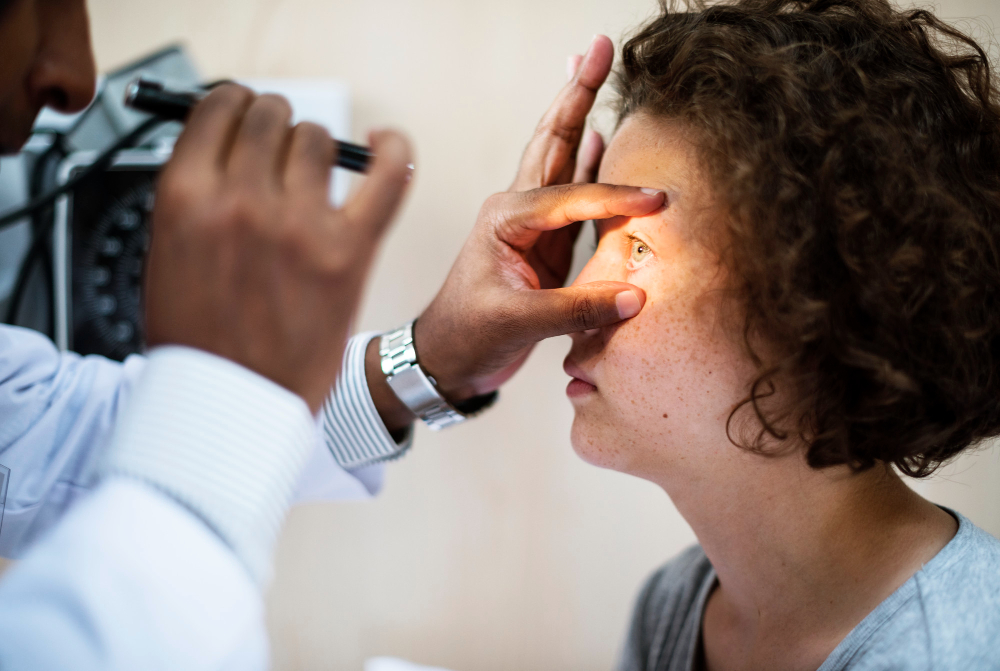
Eye doctors use several methods to diagnose conjunctival disorders and corneal ulcers. First, they will ask about your symptoms and medical history. Next, they will examine your eyes with a special microscope called a slit lamp. Sometimes, they may use eye drops to highlight any damage. In some cases, doctors take a small sample from your eye to find out what germ is causing the problem. Quick diagnosis helps prevent complications and protects your vision.
Treatment Options
Treatment depends on the cause and severity of the condition. For conjunctival disorders, doctors may suggest:
For corneal ulcers, treatment is urgent. Doctors often prescribe:
Early treatment can prevent vision loss. Always follow your doctor’s advice closely.
Prevention and Eye Care Tips
Taking care of your eyes helps prevent conjunctival disorders and corneal ulcers. Here are some simple tips:
By following these steps, you can lower your risk of eye infections and keep your vision sharp.
When to See an Eye Specialist
Sometimes, home care is not enough. If you notice any of these warning signs, see an eye specialist right away:
Early treatment can save your sight. Find an eye specialist near you if you have any concerns about your eyes.
Conclusion
Your eye’s surface works hard to protect your vision. However, conjunctival disorders and corneal ulcers can threaten your eye health. By knowing the symptoms, causes, and prevention tips, you can act quickly if problems arise. If you notice symptoms of conjunctival disorders or corneal ulcers, consult an eye specialist for personalized care.
