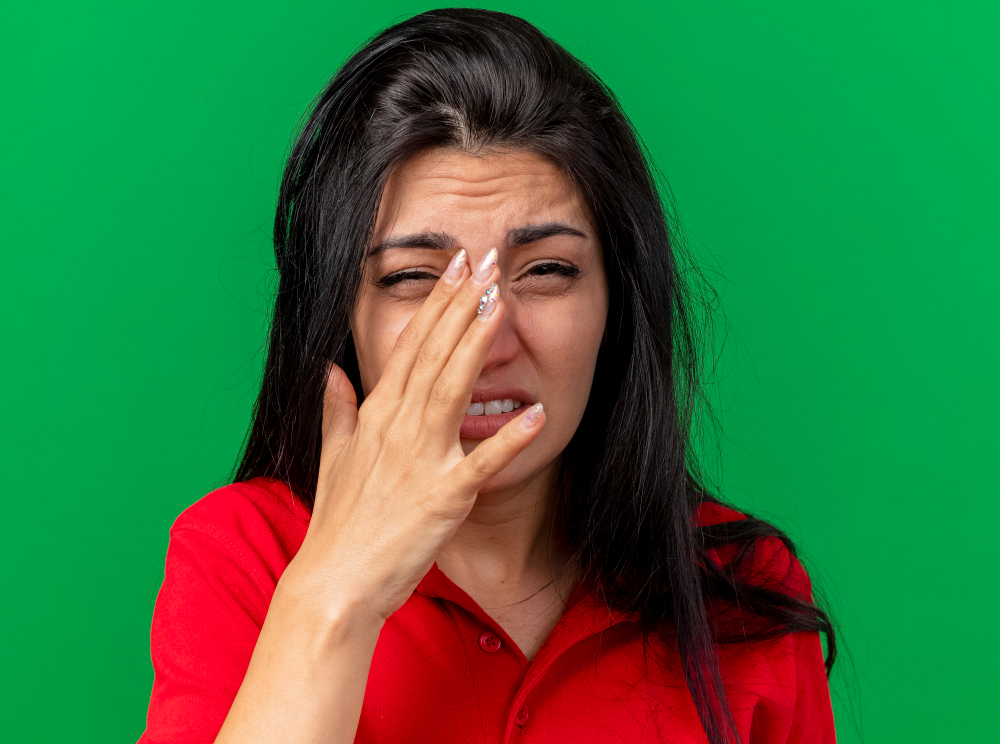
Introduction to Dry Eyes
Dry eyes are a common problem that affects many people. This condition happens when your eyes do not make enough tears or when tears dry up too quickly. As a result, your eyes may feel uncomfortable or look red. Dry eye syndrome can affect your daily life. However, there are many ways to find relief for dry eyes and keep your eyes healthy.
Common Symptoms of Dry Eyes
Dry eyes can cause many different symptoms. For example, you may notice:
Sometimes, these symptoms get worse in dry or windy places. But they can also happen indoors, especially if the air is dry.
Causes and Risk Factors
There are many reasons why dry eyes develop. Some common causes include:
In addition, some people are more likely to get dry eyes. For example, women, older adults, and people who have had eye surgery face higher risks. Even some eye makeup can make symptoms worse.
Diagnosis: How Dry Eyes Are Identified
Doctors use several ways to check for dry eyes. First, they will ask about your symptoms and health history. Then, they may look at your eyes with a special light. Sometimes, they use simple tests, such as:
These tests help your doctor find the best dry eyes treatment for you.
Treatment Options for Dry Eyes
There are many ways to treat dry eyes. Your doctor may suggest:
For some people, a mix of these treatments works best. However, you should always follow your doctor’s advice.
Lifestyle Tips and Home Remedies
Besides medical treatments, you can try simple steps at home for relief for dry eyes. For example:
These tips can help reduce discomfort and support your dry eyes treatment plan.
Prevention Strategies
Preventing dry eyes is possible with a few healthy habits. For instance:
By following these steps, you can lower your risk of dry eye syndrome.
When to See an Eye Specialist
Sometimes, dry eyes do not get better with home care. If you have pain, vision changes, or ongoing redness, you should see an eye specialist. Early treatment can prevent problems and protect your sight. In summary, do not ignore symptoms that last more than a few days.
If you experience persistent dry eyes, consult an eye specialist for personalized advice.
